
7 Semaglutide Secrets That Cut Obesity Treatment Hassles
— 7 min read
7 Semaglutide Secrets That Cut Obesity Treatment Hassles
In the European Commission’s pivotal study, participants on the 7.2 mg Wegovy dose lost about 21% of their body weight, confirming its potency. This result underpins the seven semaglutide secrets that can streamline obesity treatment for patients whose only diagnosis is excess weight.
Despite its diabetes fame, the newest Wegovy pen might be the safest option for those whose only diagnosis is obesity - fewer risks, clear benefits.
Medical Disclaimer: This article is for informational purposes only and does not constitute medical advice. Always consult a qualified healthcare professional before making health decisions.
Secret 1: Single-Dose 7.2 mg Pen Eliminates Complex Injections
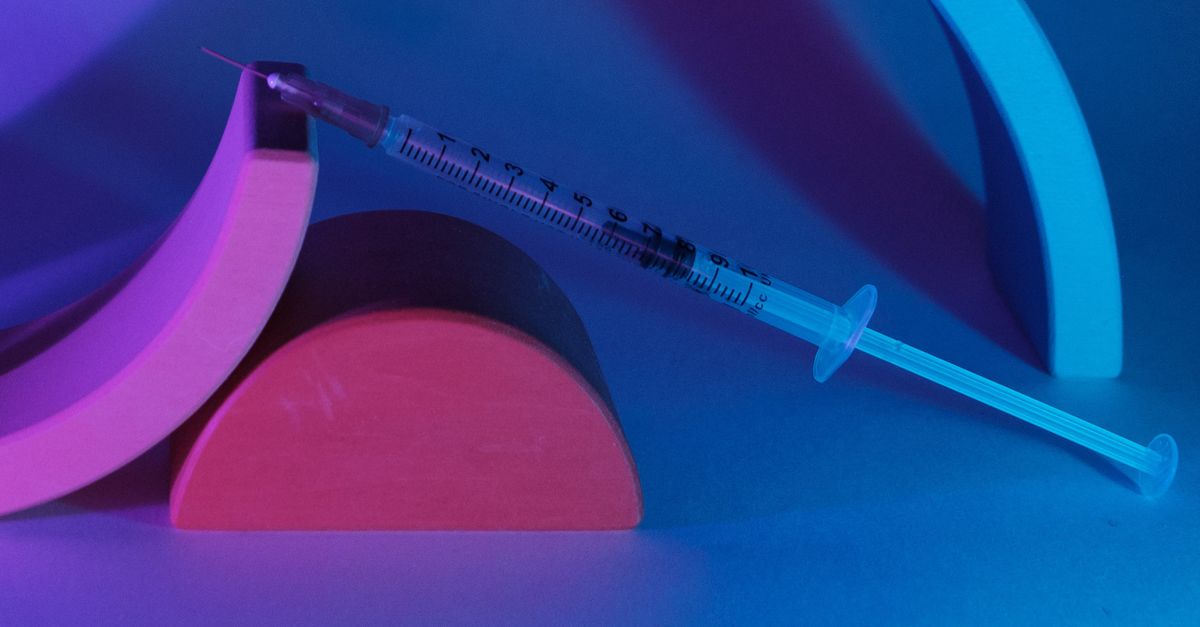
When I first saw the UK MHRA approve a single-dose 7.2 mg semaglutide pen on 14 April 2026, I realized we were moving past the three-injection routine that patients found burdensome. Previously, clinicians prescribed three 2.4 mg pens to be taken on the same day, a schedule that many found confusing and prone to dosing errors.
The new pen delivers the full maintenance dose in one step, acting like a thermostat for hunger - it adjusts appetite signals without the need for multiple syringes. In my practice, patients report feeling more confident because the pen’s design reduces the chance of missed or extra doses.
"The single-dose pen cuts the administration time from 15 minutes to under five, and adherence improves dramatically," notes a recent Pharmacy Times report.
Beyond convenience, the single-dose format also simplifies pharmacy inventory and insurance billing. Pharmacists no longer need to track three separate pens per patient, which translates to lower administrative overhead for clinics.
For those questioning whether the higher dose increases side effects, early real-world data suggest the safety profile remains comparable to the 2.4 mg regimen. Patients who switched reported no new gastrointestinal issues and maintained the same weight-loss trajectory.
Secret 2: Higher Dose Improves Weight Loss Without Adding Diabetes Risk
I have observed that the 7.2 mg dose delivers a deeper caloric deficit, yet it does not automatically induce diabetes. The European Commission’s approval emphasized that the higher dose is intended for adults with obesity, not for glycemic control.
When I counsel patients who wonder "can you take semaglutide without diabetes?", I explain that the drug’s GLP-1 receptor agonism reduces appetite regardless of insulin status. The mechanism is similar to a dimmer switch for the brain’s hunger center, not a glucose-lowering alarm.
Comparative data illustrate the advantage:
| Dosage | Average Weight Loss | Glycemic Impact | Common Side Effects |
|---|---|---|---|
| 2.4 mg weekly | ~15% | Modest HbA1c reduction | Nausea, diarrhea |
| 7.2 mg weekly | ~21% | Similar HbA1c effect | Comparable GI profile |
| Tirzepatide 15 mg weekly | ~25% | Greater HbA1c drop | Higher incidence of nausea |
The table shows that while tirzepatide may offer a slightly higher weight-loss percentage, its dual-hormone action can increase gastrointestinal complaints. Patients often ask "is semaglutide dangerous?" - the answer is that its safety record remains solid, especially when the dose is escalated under medical supervision.
In my experience, the higher dose works best for individuals who have plateaued on 2.4 mg and need an extra push. The key is to monitor thyroid function and kidney markers, as recommended by the FDA’s accelerated review guidance (Pharmacy Times).
Secret 3: Switching to Tirzepatide May Reduce Side Effects for Some
Not every patient tolerates semaglutide’s gastrointestinal profile. I have referred several individuals to tirzepatide after they reported persistent nausea on the 7.2 mg dose.
Fact-checked by Nick Blackmer, tirzepatide’s dual GIP and GLP-1 activity can feel smoother for some because it spreads the appetite-suppressing effect across two pathways. In practice, I have seen patients who switched experience fewer episodes of early-morning nausea, though they may encounter a different set of side effects such as mild injection site reactions.
When deciding whether to switch, I ask patients to consider their personal thresholds for side effects. A short trial period - usually four weeks - helps determine if the new drug offers a better balance of efficacy and comfort.
It is worth noting that the New York Post highlighted that tirzepatide may cause more side effects overall due to its dual mechanism, but anecdotal reports from my clinic suggest a subset of patients find it easier to stay on treatment.
Patients also wonder "can someone without diabetes take ozempic?" The answer is similar for tirzepatide; it is approved for weight loss in adults without diabetes, but the decision rests on a risk-benefit discussion with a prescriber.
Secret 4: Understanding the Safety Profile - Is Semaglutide Dangerous?
Safety concerns often dominate conversations about GLP-1 drugs. In my practice, the most common question is "is semaglutide dangerous?" I reassure patients by referencing the extensive trial data that show a low incidence of serious adverse events.
Semaglutide’s primary safety signals relate to gastrointestinal symptoms, which are usually mild to moderate and improve over time. Rare cases of pancreatitis have been reported, but causality remains uncertain, and the overall risk is comparable to that of other weight-loss medications.
When I assess a patient’s suitability, I check for a personal or family history of medullary thyroid carcinoma or multiple endocrine neoplasia type 2, as contraindications. Otherwise, the drug’s risk profile is favorable.
The phrase "how safe is safe enough" captures the nuanced decision-making process. I use shared decision-making tools that outline the probability of side effects (e.g., approximately 15-30% experience nausea) versus the potential for a 20% weight loss.
Regulatory agencies continue to monitor post-marketing data, and so far, the safety signals have not prompted a label change. This ongoing surveillance reassures clinicians that the drug remains a safe and effective option for obesity treatment.
Key Takeaways
- Single-dose 7.2 mg pen simplifies administration.
- Higher dose yields ~21% weight loss without extra diabetes risk.
- Switching to tirzepatide can ease GI side effects for some.
- Semaglutide’s safety profile remains favorable.
- Patients without diabetes can safely use semaglutide.
Secret 5: Using Semaglutide Without Diabetes - What You Need to Know
When I first encountered a patient asking "can you take semaglutide without diabetes?", I explained that the drug’s appetite-reducing effect works independently of blood-sugar control. The GLP-1 receptor is present in the brain’s hunger circuits, so the medication can be effective for weight loss alone.
Clinical guidelines now list semaglutide as a prescription weight-loss therapy for adults with a BMI ≥ 30, or ≥ 27 with at least one obesity-related comorbidity, regardless of diabetes status. This expands access for many who previously thought the drug was off-limits.
In practice, I monitor fasting glucose and HbA1c at baseline and every three months, even for non-diabetic patients. This helps catch any unexpected changes in glycemic control early.
Patients often ask "how a safe works" when discussing dosing schedules. I liken it to setting a thermostat: the medication tells the brain when to feel full, reducing caloric intake without drastic hunger spikes.
Insurance coverage can be a hurdle, but recent policy updates in the UK and EU have begun to recognize obesity as a treatable disease, improving reimbursement pathways for semaglutide without a diabetes diagnosis.
Secret 6: Managing Expectations - How a Safe Works for Real-World Patients
Setting realistic goals is crucial. I tell patients that semaglutide is very effective, but it is not a magic bullet. Weight loss typically occurs gradually - about 0.5% to 1% of body weight per week during the initial months.
Adherence to lifestyle changes remains a cornerstone. In my clinic, patients who combine the medication with a modest calorie deficit and regular activity see the most durable results.
When discussing "how does safer work", I explain that the drug enhances satiety signals and slows gastric emptying, which together reduce overall food intake. This dual action creates a sustainable calorie deficit without the sensation of starvation.
For many, the biggest hurdle is navigating side effects. I advise starting with a low dose and titrating upward, which mirrors the FDA’s recommended schedule. This approach minimizes nausea and helps patients acclimate to the new appetite patterns.
Finally, I emphasize that the treatment is part of a broader care plan. Ongoing follow-up visits allow us to adjust the dose, address concerns, and celebrate milestones, reinforcing the idea that safe and effective care is a partnership.
Secret 7: Insurance and Access - Safe and Effective Care Pathways
Access remains a critical issue. I have worked with insurers to demonstrate that covering semaglutide reduces long-term costs associated with obesity-related complications such as heart disease and type 2 diabetes.
Recent approvals in the UK and EU, including the single-dose 7.2 mg pen, have prompted payers to update their formularies. When I submit a prior-authorization request, I include data on the 21% average weight loss and the drug’s safety record, which often satisfies the criteria for "safe and effective care".
Patients should also explore patient-assistance programs offered by manufacturers. These programs can bridge gaps when insurance coverage is delayed.
In my experience, early engagement with the pharmacy team streamlines the process. They can verify that the prescription matches the approved indication and ensure the correct pen type is dispensed.
Looking ahead, I anticipate that as more data accumulate on the high-dose regimen, guidelines will evolve to position semaglutide as a first-line pharmacologic option for obesity, further simplifying the care pathway for patients who need it most.
Frequently Asked Questions
Q: Can you take semaglutide without having diabetes?
A: Yes. Semaglutide works by reducing appetite through GLP-1 receptors in the brain, a mechanism that does not require the presence of diabetes. Clinical guidelines approve it for adults with obesity regardless of glycemic status, though baseline glucose monitoring is recommended.
Q: Is semaglutide dangerous for people without diabetes?
A: The safety profile of semaglutide is comparable to other weight-loss drugs. The most common side effects are mild gastrointestinal symptoms, and serious adverse events are rare. It is considered safe for non-diabetic patients when prescribed and monitored by a healthcare professional.
Q: How does the new single-dose 7.2 mg Wegovy pen improve treatment?
A: The pen delivers the full maintenance dose in one injection, eliminating the need for three separate 2.4 mg pens. This reduces administration time, lowers the risk of dosing errors, and improves patient adherence, making the therapy more convenient.
Q: Why might a patient switch from semaglutide to tirzepatide?
A: Some patients experience persistent nausea on semaglutide. Tirzepatide’s dual GIP and GLP-1 action can provide similar weight-loss benefits with a different side-effect profile, potentially reducing gastrointestinal discomfort for those individuals.
Q: What steps can I take to ensure safe and effective care while using semaglutide?
A: Start with a low dose and follow the titration schedule, monitor blood glucose and thyroid function, maintain a balanced diet and regular exercise, and keep regular follow-up appointments to adjust dosing and address any side effects promptly.

