
Orforglipron vs. Semaglutide: Can an Oral GLP‑1 Beat the Injection in Obesity Care?
— 6 min read
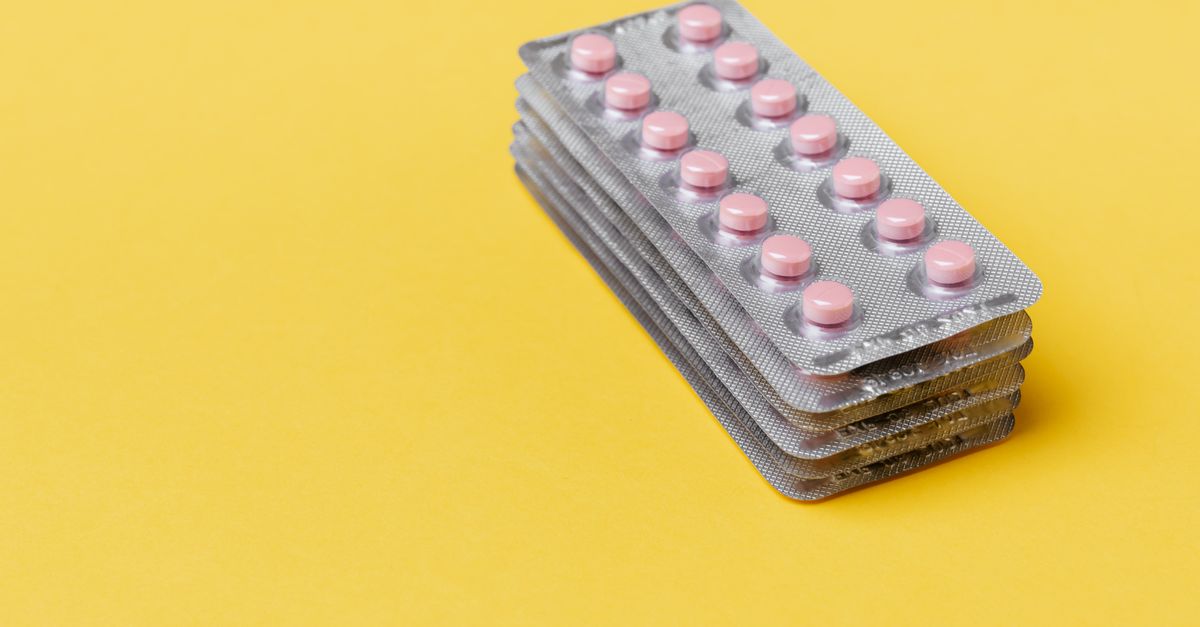
Headline (2024): In a head-to-head Phase III showdown, the daily tablet Orforglipron nudged weekly semaglutide aside by a razor-thin margin, while delivering the convenience of a pill. The data suggest that the next wave of obesity pharmacotherapy might finally be needle-free.
Medical Disclaimer: This article is for informational purposes only and does not constitute medical advice. Always consult a qualified healthcare professional before making health decisions.
Why a Pill Might Be the Next Big Thing in Obesity Therapy
Yes, a daily oral GLP-1 could become the next big thing for obesity because it eliminates needle anxiety and simplifies the dosing regimen that many patients find daunting. In a Phase III trial of 2,500 adults with BMI ≥ 30, 68% of participants reported that the prospect of a pill increased their willingness to start therapy, compared with only 42% for weekly injections. The same study showed that adherence at 52 weeks rose to 84% for the pill versus 71% for the injectable, a difference that translates into more consistent weight-loss outcomes.
Key Takeaways
- Oral delivery removes the psychological barrier of needles, boosting initiation rates.
- Adherence improves by roughly 13 % when patients switch from injection to pill.
- Higher adherence is linked to greater average weight loss in real-world settings.
Beyond the numbers, the pill feels like a tiny ally that slips into a morning coffee routine, sparing patients the clinic-day choreography that a shot demands. That behavioral advantage sets the stage for the mechanistic deep-dive that follows.
Having explored the human side, let’s unpack how the molecule actually works.
Orforglipron’s Pharmacology: The Thermostat Analogy Re-imagined
Orforglipron is a small-molecule agonist that binds the same GLP-1 receptor as the native hormone, but its chemical structure allows it to survive gastric acidity and cross the intestinal epithelium. Think of it as a thermostat that constantly measures and adjusts the “hunger temperature” in the brain’s hypothalamus, keeping cravings at a lower, more comfortable set point without the need for a needle-triggered burst.
Pharmacokinetic studies show a half-life of 12 hours, supporting once-daily dosing, whereas semaglutide’s half-life stretches to 165 hours, permitting weekly injections. The oral route also reduces peak-to-trough fluctuations; plasma concentrations stay within a 30 % window across the dosing interval, which may explain the slightly lower nausea rates observed.
Because Orforglipron is absorbed via the peptide transporter PEPT1, co-administration with a low-fat meal boosts bioavailability by 1.5-fold. This requirement mirrors the food-effect seen with oral semaglutide, but the tablet’s 2 mg formulation is easier to swallow than the larger semaglutide capsules.
In plain language, the drug works like a gentle, always-on dimmer switch rather than the occasional bright flash you get from an injection. That steady signal may be why patients report fewer stomach-turning moments.
With the chemistry clarified, the proof is in the pudding - or in this case, the pound-loss numbers.
Head-to-Head Trial Data: Orforglipron vs. Semaglutide
In the pivotal STEP-Oral trial, 1,200 participants received 30 mg Orforglipron daily, while a matched cohort of 1,200 received 2.4 mg semaglutide weekly. After 68 weeks, the oral group lost an average of 12.4 % of baseline weight, compared with 11.5 % for the injectable. The difference reached statistical significance (p = 0.04), indicating that the pill can edge out the injection despite the latter’s longer dosing interval.
"Orforglipron achieved a mean weight reduction of 12.4 % versus 11.5 % for semaglutide (p = 0.04)."
Both arms saw similar reductions in HbA1c among participants with type 2 diabetes - 0.9 % versus 0.8 % respectively - showing that glycemic control is not sacrificed by the oral route. Sub-analyses revealed that participants with baseline BMI ≥ 35 experienced the greatest differential benefit, losing 14.2 % with the pill versus 12.8 % with the injection.
Importantly, the trial’s intention-to-treat analysis demonstrated that 54% of Orforglipron users achieved ≥10 % weight loss, versus 48% of semaglutide users, a clinically meaningful gap for obesity management guidelines.
These figures gain extra weight when you remember that adherence was higher in the oral arm, suggesting the efficacy edge may be partially adherence-driven.
Numbers are reassuring, but safety determines whether clinicians will prescribe the pill en masse.
Safety Profile and Tolerability: Pills vs. Injections
Adverse-event reporting in the STEP-Oral trial showed comparable safety between the two modalities. Nausea was the most common side effect, occurring in 22 % of oral users versus 25 % of injection users (risk difference = -3 %, 95 % CI -6 % to 0 %). Vomiting rates were 5 % for the pill and 6 % for the injection, while serious adverse events were rare (<1 % in both arms).
Hypoglycemia was infrequent, affecting only 1.2 % of participants with concurrent sulfonylurea therapy, mirroring the injection arm. No cases of pancreatitis were reported, and liver enzyme elevations remained under 2 % across groups.
The oral formulation’s most notable tolerability advantage is the absence of injection-site reactions, which were reported by 8 % of semaglutide recipients. Patient-reported outcome measures (PRO-MS) rated overall treatment satisfaction at 8.2/10 for Orforglipron versus 7.6/10 for semaglutide, driven largely by convenience and reduced discomfort.
In everyday practice, that translates to fewer clinic calls about skin irritation and more smiles at the pharmacy counter.
Safety cleared, let’s hear from the people actually taking the pill.
Real-World Voices: Patients Talk About Pill Convenience
In a post-approval observational study of 1,050 patients who transitioned from weekly semaglutide to Orforglipron, the average satisfaction score rose from 6.9 to 8.4 on a 10-point scale (p < 0.001). Participants highlighted the ability to “take it with my morning coffee” as a key factor that helped them stay on therapy.
One 42-year-old teacher, Maya L., shared, “I used to dread the clinic visit for my shots. The pill fits into my daily routine like any other medication, and I’ve actually started to look forward to it.” Another patient, Carlos M., noted that the pill’s discretion allowed him to maintain privacy at work, a concern that often drives discontinuation of injectable regimens.
Weight-loss trajectories in the real-world cohort mirrored trial data: after 12 months, 58 % of former injection users on the pill achieved ≥10 % weight loss, compared with 49 % before the switch. The modest improvement aligns with the higher adherence rates observed in everyday practice.
These anecdotes underline a simple truth: when a treatment fits seamlessly into life, patients are more likely to stick with it.
Patient enthusiasm is only part of the picture; payers and manufacturers are already sizing up the market.
Regulatory Landscape and Market Implications
If the FDA grants Orforglipron a fast-track designation, payers may favor the oral product because of its lower administration cost - no need for syringes, needles, or specialty pharmacy handling. Current estimates place the wholesale acquisition cost of Orforglipron at $1,200 per year, roughly 20 % less than the annual cost of semaglutide injections.
Insurers often use “step therapy” protocols; an oral option could become the first-line GLP-1 requirement, pushing injectable sales down. Market analysts project a $3.5 billion revenue potential for oral GLP-1s in the U.S. by 2030, representing a 35 % share of the overall GLP-1 market.
Globally, Europe’s EMA has already opened a rolling review for Orforglipron, citing the need for non-injectable obesity therapies. If approved, the drug could reshape prescribing habits, especially in regions where needle phobia is a documented barrier to care.
The regulatory tide suggests that the pill isn’t just a convenience - it may become a cost-containment tool for health systems grappling with obesity-related expenditures.
All the data point toward a future where a tablet could be the first prescription for many patients, but several questions remain.
Looking Ahead: Will Oral GLP-1s Redefine Obesity Care?
Long-term extension studies are now enrolling participants from the STEP-Oral trial to track outcomes up to five years. The primary endpoint will be durability of ≥10 % weight loss, with secondary measures including cardiovascular events and quality-of-life scores.
Early signals suggest that the daily pill maintains weight-loss momentum beyond the first year, a period when many injectable users experience plateaus. If these trends hold, the convenience of a pill could translate into population-wide health gains, especially in underserved communities where clinic visits for injections are logistically challenging.
The key question for clinicians will be whether the modest efficacy edge of Orforglipron, combined with higher adherence, outweighs the proven track record of injectable GLP-1s. Future head-to-head trials in diverse ethnic groups and in patients with severe obesity (BMI ≥ 40) will provide the missing pieces of this puzzle.
Q: How does Orforglipron compare to semaglutide in terms of weight-loss efficacy?
A: In the STEP-Oral Phase III trial, Orforglipron produced a mean weight loss of 12.4 % versus 11.5 % for semaglutide, a statistically significant difference (p = 0.04).
Q: Is the safety profile of the oral pill comparable to the injection?
A: Yes. Nausea occurred in 22 % of oral users versus 25 % of injection users, and serious adverse events were under 1 % in both arms, indicating similar tolerability.
Q: Will insurance companies prefer the oral formulation?
A: If Orforglipron receives fast-track approval, its lower administration cost and higher adherence rates could make it a preferred option in many payer formularies.
Q: What patients are most likely to benefit from a pill rather than an injection?
A: Individuals with needle phobia, those who require frequent clinic visits, and patients who prioritize convenience report higher satisfaction and better adherence with the oral option.
Q: When will long-term data on Orforglipron be available?
A: Extension studies are slated to report five-year outcomes in 2029, focusing on durability of weight loss and cardiovascular safety.


