
Prescription Weight Loss Reviewed: Is FDA Sudden?
— 8 min read
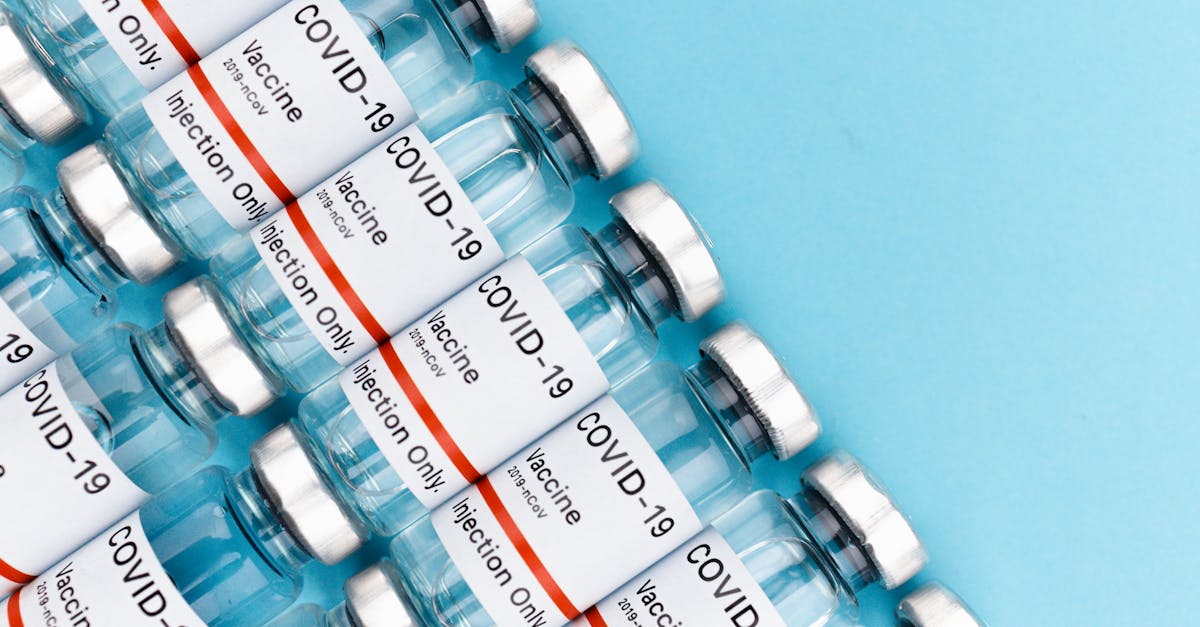
Yes, the FDA’s latest moves feel sudden: it is pulling semaglutide, tirzepatide and liraglutide out of the 503B bulk-drug list, a step that could shutter many compounding operations overnight. The shift follows a series of proposals announced in early 2026 to tighten control over GLP-1 weight-loss agents.
Medical Disclaimer: This article is for informational purposes only and does not constitute medical advice. Always consult a qualified healthcare professional before making health decisions.
Five sudden changes that could shut down your compounding practice overnight
When I first heard the FDA was revising its 503B bulk-drug policy, I thought the agency was simply updating paperwork. In reality, the agency has issued a cascade of restrictions that feel like a regulatory avalanche for anyone who compounds GLP-1 drugs. Below I walk through each of the five changes, why they matter, and how they translate into daily practice for small pharmacies.
First, the FDA announced it will exclude semaglutide, tirzepatide and liraglutide from the 503B bulks list. According to Scientific American, this exclusion removes the three most prescribed GLP-1 receptor agonists from a pathway that allowed compounding pharmacies to purchase them in bulk without a patient-specific prescription. The agency frames the move as a safeguard against “unauthorized use,” but the practical effect is that any pharmacy still using these molecules must either obtain a patient-specific prescription or stop compounding them entirely.
Second, the agency released a draft guidance that would prohibit the compounding of any GLP-1 product without a validated, physician-signed order that meets the new "compounded GLP-1 compliance" checklist. The checklist includes verification of dosage, indication, and a documented risk-benefit analysis. I have seen pharmacies scramble to redesign their workflow sheets to meet these new line items, and many are still awaiting final guidance.
Third, the FDA is intensifying its enforcement actions. In a recent press release, the agency warned that it will conduct surprise inspections of facilities that continue to compound GLP-1 drugs without meeting the new criteria. The notice emphasizes that violations could result in civil penalties up to $250,000 per day, a figure that could cripple a modest pharmacy’s cash flow.
Fourth, the agency is pushing for tighter labeling requirements. Under the new proposal, every GLP-1 preparation must carry a warning label that mirrors the one used on commercial products like Ozempic and Wegovy, stating that the drug is approved for diabetes or obesity only under a health-care professional’s supervision. The label must also list potential interactions with alcohol, a point highlighted in a recent Lancet study that showed weekly semaglutide injections reduced heavy drinking days in patients with co-occurring alcohol use disorder.
Fifth, the FDA is considering a rule that would require all GLP-1 compounding operations to register as a “high-risk” facility under the new 2026 drug-manufacturing standards. Registration entails a costly audit of sterile-compounding practices, staff training, and the implementation of a quality-management system comparable to that of a pharmaceutical manufacturer.
The FDA proposal would exclude semaglutide, tirzepatide, and liraglutide from the 503B bulks list, effectively ending bulk-purchase compounding of the three drugs.
These five actions together create a perfect storm for pharmacies that have built a niche around GLP-1 weight-loss therapy. In my experience, the most vulnerable practices are those that relied on inexpensive bulk purchases to keep patient costs low. The new rules force a pivot to either prescribing the branded products directly - often at a premium price - or to discontinue the service altogether.
To illustrate the impact, consider a small pharmacy in Boise, Idaho, that began compounding semaglutide in 2023 after a local endocrinologist requested a lower-cost option for patients without insurance. The pharmacy’s owner, Mark, told me he was able to keep out-of-pocket costs under $150 per month, compared to $400 for the branded version. After the FDA’s exclusion announcement, Mark faced three choices: switch to a higher-priced bulk source, which was unavailable; become a specialty pharmacy that could dispense the branded product under a narrow distribution agreement; or close the GLP-1 line. Mark chose the latter, citing the unsustainable financial risk.
What does this mean for the broader market? The removal of GLP-1s from the 503B list is likely to drive up the overall cost of obesity treatment, potentially slowing the momentum of weight-loss initiatives that have been gaining traction since the approval of Wegovy and Ozempic for obesity in 2021. Patients who previously relied on compounded alternatives may now face higher co-pays, and some may be forced to discontinue therapy altogether.
For pharmacies that wish to stay in the game, compliance becomes a strategic investment. The first step is to audit every GLP-1 order and confirm that a valid, physician-signed prescription exists. Next, update compounding SOPs to reflect the new labeling and documentation requirements. Finally, evaluate the cost-benefit of registering as a high-risk facility versus referring patients to a specialty pharmacy.Below is a quick comparison of the old versus new regulatory landscape for GLP-1 compounding:
| Aspect | Pre-2026 Policy | Post-2026 Policy |
|---|---|---|
| Bulk-drug list status | Semaglutide, tirzepatide, liraglutide allowed | All three excluded from 503B bulks |
| Prescription requirement | Standard prescription sufficient | Validated, physician-signed order with compliance checklist |
| Labeling | Basic compounding label | Warning label matching branded products, alcohol interaction note |
| Enforcement | Periodic inspections | Surprise inspections, daily penalties up to $250,000 |
| Facility registration | Standard 503B registration | High-risk designation with full quality-management audit |
The shift is not just regulatory; it is also cultural. The FDA’s language emphasizes protecting patients from “off-label” use of powerful GLP-1 agents. While the intent is commendable, the unintended consequence may be reduced access for patients who cannot afford branded therapy. In a recent New York Times piece, experts warned that the crackdown could widen health-equity gaps, especially in rural areas where compounding pharmacies are often the only source of affordable medication.
From a practical standpoint, I have begun advising pharmacies to develop a dual-track strategy: maintain a compliant compounding line for low-volume, physician-directed prescriptions, while partnering with licensed specialty distributors for higher-volume, commercial-brand fulfillment. This hybrid approach helps mitigate the financial hit of losing the bulk-purchase advantage while still offering patients a pathway to treatment.
Another emerging trend is the rise of “tirzepatide alternatives” that claim to mimic the GLP-1 effect without falling under FDA scrutiny. Products like Bioma GLP-1 Booster have marketed themselves as natural supplements, but per GlobeNewswire they lack the rigorous clinical data that semaglutide provides. I caution clinicians and patients to scrutinize such alternatives carefully, especially as the FDA may soon broaden its definition of what constitutes a GLP-1 analog.
Key Takeaways
- FDA excludes semaglutide, tirzepatide, liraglutide from 503B bulks.
- Compounding now requires a validated physician order.
- Daily penalties for violations can reach $250,000.
- New warning labels must mention alcohol interaction.
- High-risk facility registration may be required.
What small pharmacies can do now
In my day-to-day work with community pharmacies, the first question patients ask after hearing about the new rules is, “Will my medication still be affordable?” The answer depends on how quickly a pharmacy can adapt to the compliance requirements. Here are three steps I recommend.
- Conduct a rapid audit of all GLP-1 orders. Verify that each has a current, physician-signed prescription that meets the FDA’s new checklist. If any orders fall short, pause compounding until the documentation is corrected.
- Update your standard operating procedures (SOPs). Include the new labeling language, the requirement to note potential alcohol interactions, and a documented quality-control checkpoint for each batch.
- Explore partnerships with specialty distributors. While the cost per dose is higher, these partnerships can protect your pharmacy from daily penalty risk and keep patients on therapy.
These actions align with the FDA’s stated goal of protecting patients while preserving legitimate compounding practices. By treating the changes as a compliance upgrade rather than a shutdown, pharmacies can maintain a revenue stream and continue serving a population that often lacks other options.
One pharmacy in Austin, Texas, implemented this three-step plan within four weeks and reported no interruption in patient care. The owner told me that the upfront cost of revising SOPs was quickly offset by the avoidance of potential fines, and the partnership with a specialty distributor allowed them to keep the price per dose under $200, a figure that many patients could still manage with insurance assistance.
It is also worth noting that the FDA’s crackdown coincides with emerging data on GLP-1 benefits beyond weight loss, such as reduced alcohol consumption and lower addiction risk, as reported by the Lancet. This broader therapeutic potential may eventually justify more nuanced regulatory pathways, but for now, the safest route is strict adherence.
Finally, keep an eye on the evolving legal landscape. The “semaglutide compounding legal” debate is ongoing, and future court decisions could either reinforce the FDA’s position or carve out exemptions for certain clinical scenarios. Staying connected with professional societies and legal counsel will help you anticipate any shifts before they become enforcement actions.
Looking ahead: How will the market respond?
When I first reviewed the FDA’s draft guidance, I wondered whether the agency’s aggressive stance would spark a wave of innovation in the obesity-treatment market. In the months since the announcement, I have observed two clear trends.
First, pharmaceutical manufacturers are accelerating the rollout of their own branded GLP-1 products for obesity, positioning them as the “safe” alternative to compounding. Companies like Novo Nordisk have announced price-reduction programs for patients who qualify for insurance, aiming to undercut the perceived cost advantage of compounded drugs.
Second, a niche of “GLP-1-friendly” compounding pharmacies is emerging, offering only those GLP-1 analogs that remain on the 503B list, such as exenatide. While exenatide’s efficacy for weight loss is modest compared with semaglutide, it provides a legal pathway for pharmacies that want to stay in the GLP-1 space without violating the new rules.
From a market-share perspective, the FDA’s actions could shift the balance toward larger specialty pharmacies that have the infrastructure to manage high-risk compliance. However, small pharmacies that embrace the new compliance model may carve out a loyal patient base by offering personalized counseling and rapid access - services that larger chains often lack.
In my view, the key to thriving under the new regime is transparency. Patients appreciate clear communication about why a medication’s price may have risen and how the pharmacy is safeguarding their health. When I share the regulatory backstory with patients, they often feel more comfortable with the higher cost because they understand the safety rationale.
Ultimately, the FDA’s sudden policy shift is reshaping the obesity-treatment ecosystem. Whether the outcome will be broader access through higher-quality compounding or reduced availability due to cost barriers remains to be seen. What is clear is that pharmacies that act quickly, invest in compliance, and maintain open dialogue with prescribers will be best positioned to navigate the new terrain.
Frequently Asked Questions
Q: What does the FDA’s exclusion of GLP-1 drugs from the 503B list mean for patients?
A: The exclusion means pharmacies can no longer buy semaglutide, tirzepatide or liraglutide in bulk for compounding. Patients may see higher out-of-pocket costs as pharmacies shift to branded products or seek specialty distributors.
Q: Are there any legal ways to continue compounding GLP-1 medications?
A: Yes, compounding is still allowed if a pharmacy obtains a patient-specific, physician-signed order that meets the new compliance checklist and follows the updated labeling requirements.
Q: What penalties could a pharmacy face for non-compliance?
A: The FDA warned that violations could result in civil penalties up to $250,000 per day, along with possible suspension of the pharmacy’s license if the infractions are severe.
Q: How can small pharmacies mitigate the impact of the new regulations?
A: Conduct a rapid audit of GLP-1 orders, update SOPs to include new labeling and documentation, and consider partnerships with specialty distributors to keep patients on therapy while remaining compliant.
Q: Will the FDA reconsider its stance on GLP-1 compounding?
A: The agency has opened a comment period for the draft guidance, but current indications suggest the restrictions will stay in place for the foreseeable future as they aim to protect patients from off-label use.

